
Last Updated on October 20, 2026
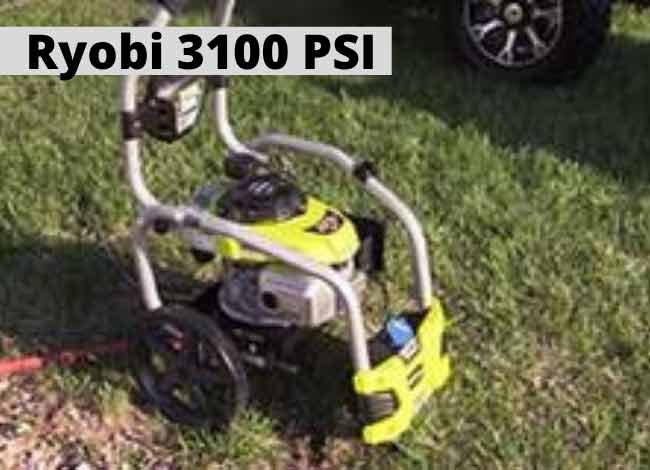
The Ryobi 3100 PSI pressure washer is a powerful gas pressure washer designed for demanding residential cleaning jobs. Whether you need to clean a dirty driveway, concrete patio, fence, or outdoor equipment, this machine provides more cleaning power than most compact electric models. Read this Ryobi 3100 PSI pressure washer review to learn about its features, performance, advantages, and limitations.
One important thing to know is that Ryobi has manufactured several 3100 PSI pressure washers with different engines and specifications. The older RY80940B uses a Honda GCV190 engine and delivers up to 3100 PSI at 2.5 GPM. The later RY803023 series uses a Honda GCV170 engine and is rated at 3100 PSI and 2.3 GPM. These models should not be confused because their hoses, engines, and features differ.
This review primarily covers the older Honda GCV190-powered Ryobi 3100 PSI pressure washer, while also comparing it with the RY803023 series and a 3300 PSI alternative. If you’re shopping in 2026, check the exact model number before purchasing, as some older models have been discontinued.
Technical Specifications of the Ryobi 3100 PSI Gas Pressure Washer
| Features | Ryobi 3100 PSI (RY80940B) |
|---|---|
| Maximum Pressure | 3100 PSI |
| Maximum Water Flow | 2.5 GPM |
| Engine | Honda GCV190, 187cc, OHC |
| Pump | Maintenance-free axial-cam-style pump |
| High-Pressure Hose | 25 feet |
| Spray Nozzle | 5-in-1 change-over nozzle |
| Frame | Durable roll-cage-style frame |
| Wheels | Large transportation wheels |
| Fuel Tank | Approximately 0.25 gallon |
| Engine Feature | Idle Down technology |
| Detergent System | Automatic soap injection with onboard tank |
| Power Source | Gasoline |
| Water Type | Cold water, maximum 104°F (40°C) |
| Weight | Approximately 71 lbs, depending on configuration |
| Price |  Check Price on Amazon |
With its strong engine, sturdy frame, and convenient cleaning accessories, this Ryobi model is suitable for homeowners who frequently tackle tougher outdoor cleaning jobs.
Ryobi 3100 PSI Pressure Washer Review 2026
[toc]
Durable Frame and Construction
One of the things I like most about the Ryobi 3100 PSI gas pressure washer is its sturdy construction. The older Honda GCV190 version features a roll-cage-style frame that helps protect the engine and pump during transportation and storage.
This design also provides a stable base when the machine is placed on level ground. Unlike lightweight electric washers, the Ryobi has a wider stance and larger wheels that make it more suitable for outdoor work.
Its handle makes transportation convenient, although you should avoid pulling the machine by its high-pressure hose.
Powerful Honda GCV190 OHC Engine
The older Ryobi 3100 PSI model uses a Honda GCV190 OHC engine with a displacement of approximately 187cc. This engine provides the power needed to operate the pump at up to 3100 PSI and 2.5 GPM.
Multiplying the advertised pressure by the rated flow gives 7750 cleaning units. This can be useful for rough comparisons, although actual cleaning performance also depends on the nozzle, surface, and operating conditions.
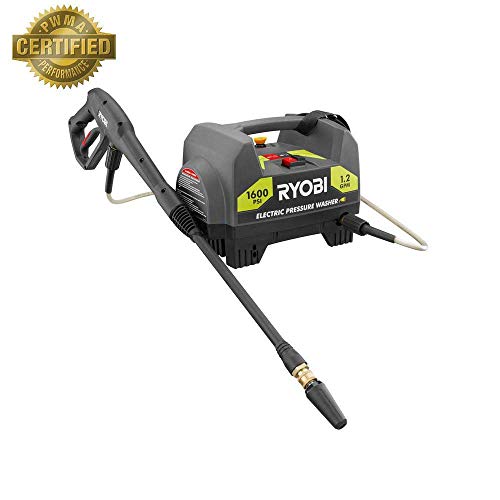
With this level of power, the washer can handle driveways, sidewalks, fences, patios, and outdoor equipment. It is considerably more powerful than a smaller unit such as the Ryobi 1700 PSI electric pressure washer.
However, high pressure does not mean every surface is safe to clean. Wooden decks, vehicle paint, and delicate materials can be damaged if you use a concentrated spray or hold the nozzle too close.
The Honda GCV190-powered version is an older design, so buyers should check replacement engine parts, pump components, and current product availability before purchasing a used or remaining-stock unit.
Idle Down Technology
Another useful feature of the RY80940B version is Idle Down technology. This system automatically reduces engine speed when the spray gun trigger is released.
As a result, the engine produces less noise while you are not actively spraying. It can also help reduce unnecessary fuel consumption and engine wear during cleaning breaks.
Not every Ryobi 3100 PSI model includes this technology, so make sure the product listing specifically mentions Idle Down.
Even with this feature, a gas-powered washer will produce more noise and exhaust than most electric models. If you prefer a quieter, exhaust-free option for smaller jobs, consider our Ryobi 1600 PSI electric pressure washer review.
Maintenance-Free Pump
The Ryobi 3100 PSI pressure washer features a pump designed to require no routine user-performed pump oil changes.
This simplifies maintenance, but it does not mean the entire machine is maintenance-free. The Honda engine still needs regular oil checks, oil changes, air filter maintenance, and spark plug inspections.
You should also inspect the water inlet filter, hose connections, and spray nozzle before each use.
Never operate the pump without an adequate water supply, as dry running can damage internal components.
 Check Price on Amazon
Versatile 5-in-1 Nozzle
One of the most convenient features is the 5-in-1 change-over nozzle. Instead of carrying several separate spray tips, you can rotate the nozzle selector to change the spray pattern.
The available settings include concentrated cleaning patterns, wider sprays, and a soap application setting.
- 0° setting: A highly concentrated stream for limited applications on suitable hard surfaces. Avoid using it on vehicles, wood, glass, or delicate materials.
- 25° setting: Useful for general cleaning and stubborn dirt on durable surfaces.
- 40° setting: Provides a wider spray for less aggressive cleaning tasks.
- Soap setting: Applies compatible pressure washer detergent at low pressure.
- Additional spray setting: Provides another cleaning option depending on the nozzle configuration.
Always release the trigger before changing nozzle settings. Start with a wider spray pattern and test a small area before moving closer to the surface.
Large Transportation Wheels
The Ryobi 3100 PSI pressure washer has large wheels that make it easier to move around a driveway, yard, or work area.
The substantial frame and wheels help compensate for the machine’s heavier construction. This is especially useful when moving it across gravel or slightly uneven ground.
However, always keep the machine stable and upright during operation. Avoid moving it while the engine is running unless the manual specifically permits it.
25-Foot High-Pressure Hose
The older GCV190 model comes with a 25-foot high-pressure hose, giving you enough reach for many household cleaning jobs.
This is more convenient than the shorter hoses commonly supplied with compact electric pressure washers.
However, the hose length varies by Ryobi model. For example, the later RY803023 series includes a 35-foot hose.
Use only a compatible pressure-rated hose and fittings. A regular garden hose and hose reel are intended for the water supply side, not as replacements for the high-pressure discharge hose.
Onboard Detergent Tank
The built-in detergent tank is another convenient feature. It allows you to apply compatible pressure washer detergent without carrying a separate cleaning solution container.
The automatic soap injection system works when you select the appropriate low-pressure soap setting.
Use only cleaning chemicals approved for pressure washers. Do not add bleach, corrosive products, flammable solvents, or strong industrial chemicals to the detergent tank.
Warranty
Ryobi has offered a three-year limited warranty on qualifying pressure washer units, while Honda engine coverage may follow separate terms.
Actual warranty coverage depends on the model number, purchase date, seller, and whether the equipment is being used commercially or residentially.
Older discontinued models or used units may not qualify for the same coverage as a new machine. Always confirm the warranty details before purchasing.
For another gas-powered option with similar advertised pressure, read our Generac 3100 PSI pressure washer review.
Ryobi 3100 PSI Gas Pressure Washer Troubleshooting
Gas pressure washers occasionally experience starting problems, inconsistent water pressure, or detergent delivery issues. The following table covers common causes and practical solutions.
| Issue | Possible Cause | Solution |
|---|---|---|
| Engine won’t start | Stale fuel, low engine oil, dirty carburetor, or faulty spark plug | Check the oil level and fuel condition. Follow the engine manual for spark plug inspection and carburetor maintenance. |
| Engine stalls during operation | Restricted air filter, contaminated fuel, or engine control problem | Inspect the air filter and fuel supply. Check the Idle Down system if your model includes it. |
| Low or fluctuating pressure | Clogged nozzle, inadequate water supply, trapped air, or pump problem | Check the inlet flow, clean the filter and nozzle, and purge trapped air. Have internal pump problems inspected professionally. |
| Water leakage from pump | Damaged seals, loose fittings, or pump wear | Inspect accessible hose connections. Seek qualified service if water leaks from the pump housing. |
| Detergent not dispensing | Incorrect nozzle setting or blocked detergent passage | Select the soap setting and check the detergent tank and siphon system for blockages. |
| Engine starts but no water sprays | Closed water supply, blocked inlet filter, or clogged nozzle | Turn off the engine, inspect the water supply, and clear accessible blockages before restarting. |
Maintenance Tips for the Ryobi 3100 PSI Pressure Washer
Proper maintenance helps extend the life of both the Honda engine and the pressure washer pump.
- Check engine oil: Verify the oil level before every use and change it according to the Honda engine manual.
- Use fresh gasoline: Avoid leaving untreated fuel in the tank during long storage periods.
- Inspect the air filter: Clean or replace it when dirty.
- Check the high-pressure hose: Look for damage, leaks, or worn fittings before cleaning.
- Clean the inlet filter: Remove debris that could restrict water flow.
- Drain and winterize: Follow the manufacturer’s instructions before freezing weather.
- Inspect the spray nozzle: Remove blockages only after stopping the engine and releasing pressure.
Never operate a gas pressure washer inside a garage, shed, basement, or other enclosed area. Carbon monoxide from the exhaust can cause fatal poisoning. Use it outdoors, at least 20 feet from doors, windows, and ventilation openings, with exhaust directed away from occupied spaces.
What We Liked About the Ryobi 3100 PSI Gas Pressure Washer
- Strong cleaning performance for demanding residential jobs
- Honda GCV190 engine in the older RY80940B model
- Sturdy frame protects important components
- Large wheels improve portability
- Convenient 5-in-1 nozzle
- Idle Down technology reduces engine speed between cleaning passes on equipped models
- 25-foot high-pressure hose on the older version
- Onboard detergent tank
- No routine user-performed pump oil changes
- Suitable for driveways, patios, sidewalks, and other durable outdoor surfaces
What We Didn’t Like About the Ryobi 3100 PSI Pressure Washer
- The small fuel tank may require refilling during longer jobs.
- It produces exhaust fumes and more noise than electric pressure washers.
- The engine requires regular oil and air filter maintenance.
- Older Honda GCV190 models may be difficult to find new.
- Its weight makes it less convenient than compact electric models.
- Replacement parts must match the exact model number.
Ryobi 3100 PSI vs 3300 PSI Pressure Washer Comparison
Ryobi has produced several 3100 PSI models, so it’s important to compare the correct versions. The table below compares the RY803023 3100 PSI model with the RY803325 3300 PSI model rather than mixing specifications from the older GCV190 machine.
| Specification | Ryobi 3100 PSI | Ryobi 3300 PSI |
|---|---|---|
| Model Number | RY803023 | RY803325 |
| Engine | Honda GCV170, 167cc | Honda GCV200, 202cc |
| Maximum Pressure | 3100 PSI | 3300 PSI |
| Maximum Flow | 2.3 GPM | 2.5 GPM |
| Fuel Tank | 0.24 gallon | 0.24 gallon |
| High-Pressure Hose | 35 feet | Verify included hose length by package |
| Nozzle | 5-in-1 | 5-in-1 |
| Detergent Tank | Yes | Yes |
| Best For | General and heavy residential cleaning | Larger and more demanding outdoor cleaning jobs |
The 3300 PSI model provides somewhat higher advertised pressure and water flow, which can be helpful for stubborn dirt and larger cleaning projects.
However, the 3100 PSI model still offers plenty of power for typical residential use. Ryobi identifies the RY803023 as discontinued, so its availability and price may depend on remaining inventory or secondhand listings.
The following video provides a closer look at a Ryobi 3100 PSI pressure washer with a 2.3 GPM rating.
Is the Ryobi 3100 PSI Pressure Washer Worth Buying in 2026?
If power and versatility are what you’re looking for, the Ryobi 3100 PSI pressure washer remains a capable choice for residential cleaning.
The original Honda GCV190-powered model offers strong performance, useful Idle Down technology, and a durable frame. Later versions provide different engines and hose configurations while maintaining the 3100 PSI pressure rating.
However, availability is an important consideration in 2026. Older models may be discontinued, and some listings may refer to refurbished or used equipment.
If you primarily wash cars and outdoor furniture, a smaller Greenworks electric pressure washer may be easier to maintain. But for frequent concrete and driveway cleaning, a gas-powered Ryobi can provide greater cleaning capacity.
Overall, the Ryobi 3100 PSI is a solid option when you find one in good condition at a reasonable price. Just make sure you verify the exact engine, model number, hose length, and warranty before purchasing.
Frequently Asked Questions
How long can the Ryobi 3100 PSI pressure washer run continuously?
Runtime depends on the engine, fuel tank capacity, engine load, and cleaning conditions. The older GCV190 model has an approximately 0.25-gallon fuel tank, so it may need refilling during longer jobs. There is no reliable fixed runtime that applies to every version. Always stop the engine and let it cool before refueling.
Can I use this pressure washer to strip paint from concrete?
It may remove certain loose or deteriorated coatings from suitable concrete, but results depend on the paint and surface condition. Excessive pressure can damage concrete. Test a small area first, use an appropriate nozzle, and avoid aggressive blasting. Older painted surfaces may contain lead and require specialized handling.
Does the Ryobi 3100 PSI pressure washer have a three-year warranty?
Qualifying Ryobi pressure washer units have been offered with a three-year limited warranty, while Honda engine coverage can have separate terms. The exact warranty depends on the model, purchase date, and applicable conditions. Verify the warranty before buying older or discontinued equipment.
What is the difference between the Honda GCV190 and GCV170 Ryobi models?
The older GCV190 version, such as RY80940B, delivers up to 3100 PSI and 2.5 GPM and includes Idle Down technology. The later GCV170-powered RY803023 is rated at 3100 PSI and 2.3 GPM. Their hose lengths and other features also differ.
Can I wash my car with a Ryobi 3100 PSI pressure washer?
Yes, but use a suitable wide-angle spray pattern, keep a generous distance from the vehicle, and test carefully. Never use the concentrated 0° spray on vehicle paint, glass, or sensitive components.
What fuel does the Ryobi 3100 PSI pressure washer use?
Honda-powered Ryobi models use unleaded gasoline meeting the engine manufacturer’s requirements. Check the specific engine manual for the correct fuel grade, ethanol limits, and storage instructions.
Does this pressure washer need pump oil changes?
The original pump is described as maintenance-free, meaning routine user-performed pump oil changes are not required. However, the gasoline engine still needs regular oil changes and other maintenance according to the engine manual.
Can I use hot water in the Ryobi 3100 PSI pressure washer?
No. These residential models are designed for cold-water operation, with a maximum inlet water temperature of 104°F (40°C). Hotter water can damage the pump and internal seals.
Still have a question after reading this Ryobi 3100 PSI pressure washer review? Share your question or experience in the comments below.